What Is the Purpose of Preservation Breast Augmentation?
Preservation Breast Augmentation is a modern breast augmentation approach designed to minimize trauma to the breast tissue and promote a faster recovery process. The primary goal of this technique is not only to increase breast volume, but also to preserve the natural breast anatomy, supporting ligaments, and soft tissue structures as much as possible.
One of the most important points to understand is that not every patient is a suitable candidate for this technique. Preservation breast augmentation is not intended to replace conventional breast augmentation surgery; rather, it is a specialized approach that may offer significant advantages in selected patients.
The main principle of preservation breast augmentation is to minimize tissue trauma. Therefore, in appropriately selected patients who do not require submuscular or dual-plane implant placement, recovery may be more comfortable and rapid. In conventional breast augmentation procedures, postoperative discomfort may be slightly greater due to muscle manipulation, and the return to social activities may take somewhat longer (See Breast Augmentation Section).
Which Patients Are Suitable Candidates for Preservation Breast Augmentation? Which Patients Are Not Suitable Candidates?
Preservation breast augmentation may provide highly successful outcomes in patients who:
- do not require submuscular or dual-plane implant placement,
- desire a faster recovery,
- are not seeking excessive volume enhancement (generally implants up to 330 cc are preferred in this technique),
- have good skin quality,
- have nipples positioned at or near the ideal anatomical level,
- desire minimal scarring.
On the other hand, conventional breast augmentation techniques or breast lift procedures may be more appropriate in patients who:
- have very limited native breast tissue,
- require submuscular or dual-plane implant placement,
- present with significant volume loss,
- have advanced breast ptosis,
- request implants larger than 330 cc,
- have marked breast asymmetry.
Which Implants Are Used in Preservation Breast Augmentation?
In preservation breast augmentation, softer implants with high tissue compatibility are generally preferred. Motiva Ergonomix®2 (Joy) implants are commonly selected due to their soft consistency, natural feel, and favorable tissue integration.
How Do I Choose the Implant Size? (Preoperative Planning and 3D Simulation)
Implant selection in preservation breast augmentation is entirely individualized and based on each patient’s anatomical characteristics. Chest width, breast base diameter, skin quality, existing breast tissue, and patient expectations are evaluated in detail.
Using preoperative measurements and 3D simulation systems, different implant sizes and projections can be visualized before surgery. The goal is not simply to create larger breasts, but rather to achieve a natural-looking, tissue-compatible result with long-term stability.
How Is Preservation Breast Augmentation Performed?
Unlike conventional breast augmentation procedures, preservation breast augmentation avoids extensive tissue dissection whenever possible. Specialized surgical instruments are used to carefully and progressively expand the tissues, creating an appropriate space for implant placement while preserving ligaments, nerves, vascular structures, and the natural breast support system.
This approach may provide:
- reduced tissue trauma,
- less postoperative pain,
- and a faster return to social life.
Where Are the Implants Placed in This Technique?
In preservation breast augmentation, implants are generally placed in the subglandular (above-the-muscle) plane. The primary aim is to preserve the pectoral muscle and minimize surgical trauma.
Through Which Incision Are the Implants Inserted? Are the Scars Permanent?
In preservation breast augmentation, implants are most commonly inserted through a short inframammary incision measuring approximately 2–2.5 cm. Thanks to specialized surgical instruments, smaller incisions may be possible.
Although scars do not disappear completely, they are generally well concealed within the inframammary fold and tend to fade significantly over time.
What Is the Postoperative Recovery Like? How Soon Can Patients Return to Social Life?
One of the main advantages of the preservation approach is a more comfortable recovery period. Due to reduced tissue trauma, patients may:
- experience less pain,
- return to daily activities more quickly,
- use their arms more comfortably,
- and adapt to social life earlier.
Patients are typically discharged on the same day and may return to daily routines within a few days. Heavy exercise is generally postponed for 4–6 weeks.
Is Preservation Breast Augmentation Alone Sufficient? What If I Also Have Breast Ptosis? Can Sagging Be Corrected with Implants Alone?
Proper patient selection is extremely important in preservation breast augmentation. In patients whose nipples are positioned at or near the ideal anatomical level and who mainly desire volume enhancement, implants alone may be sufficient.
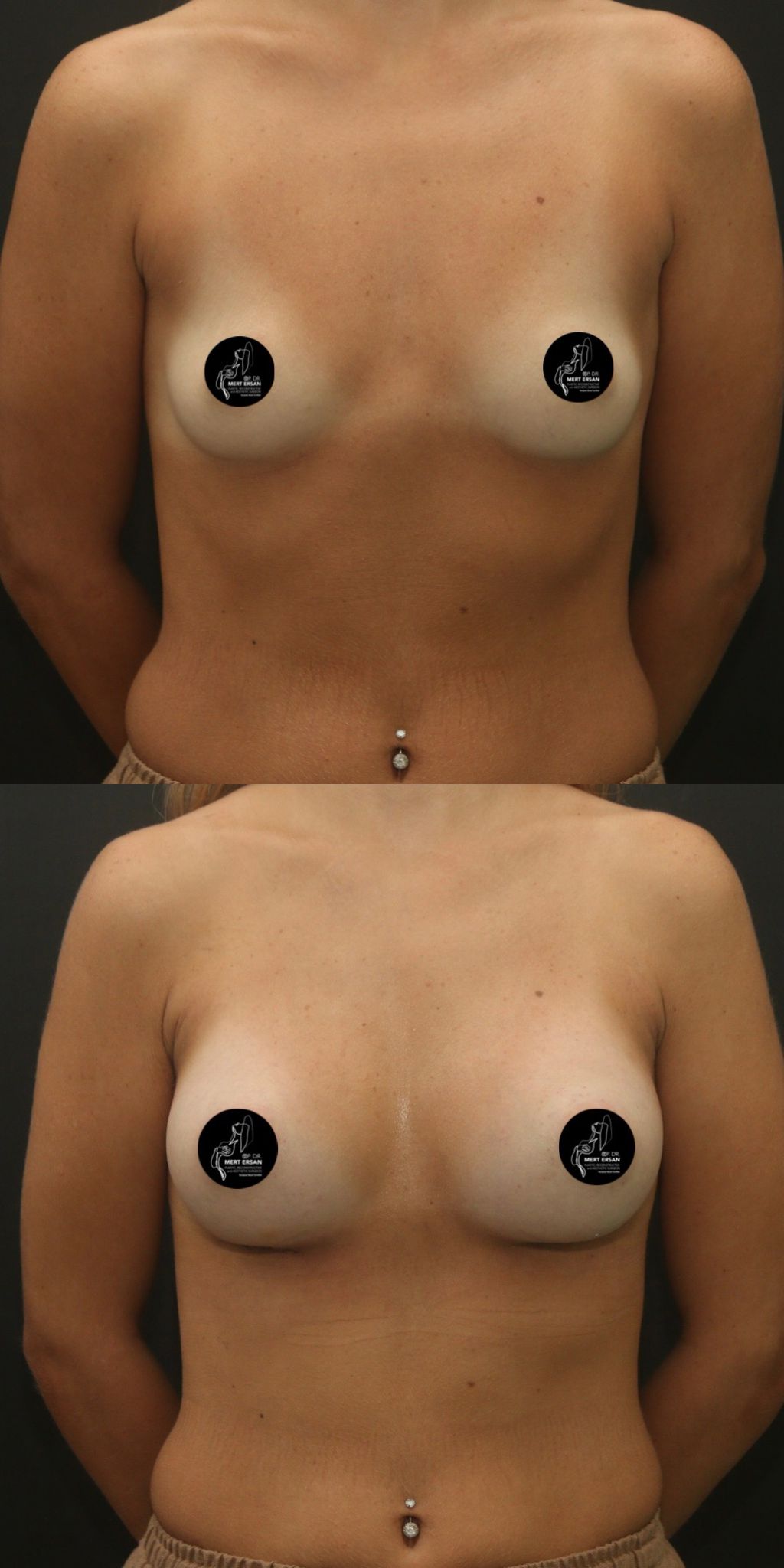
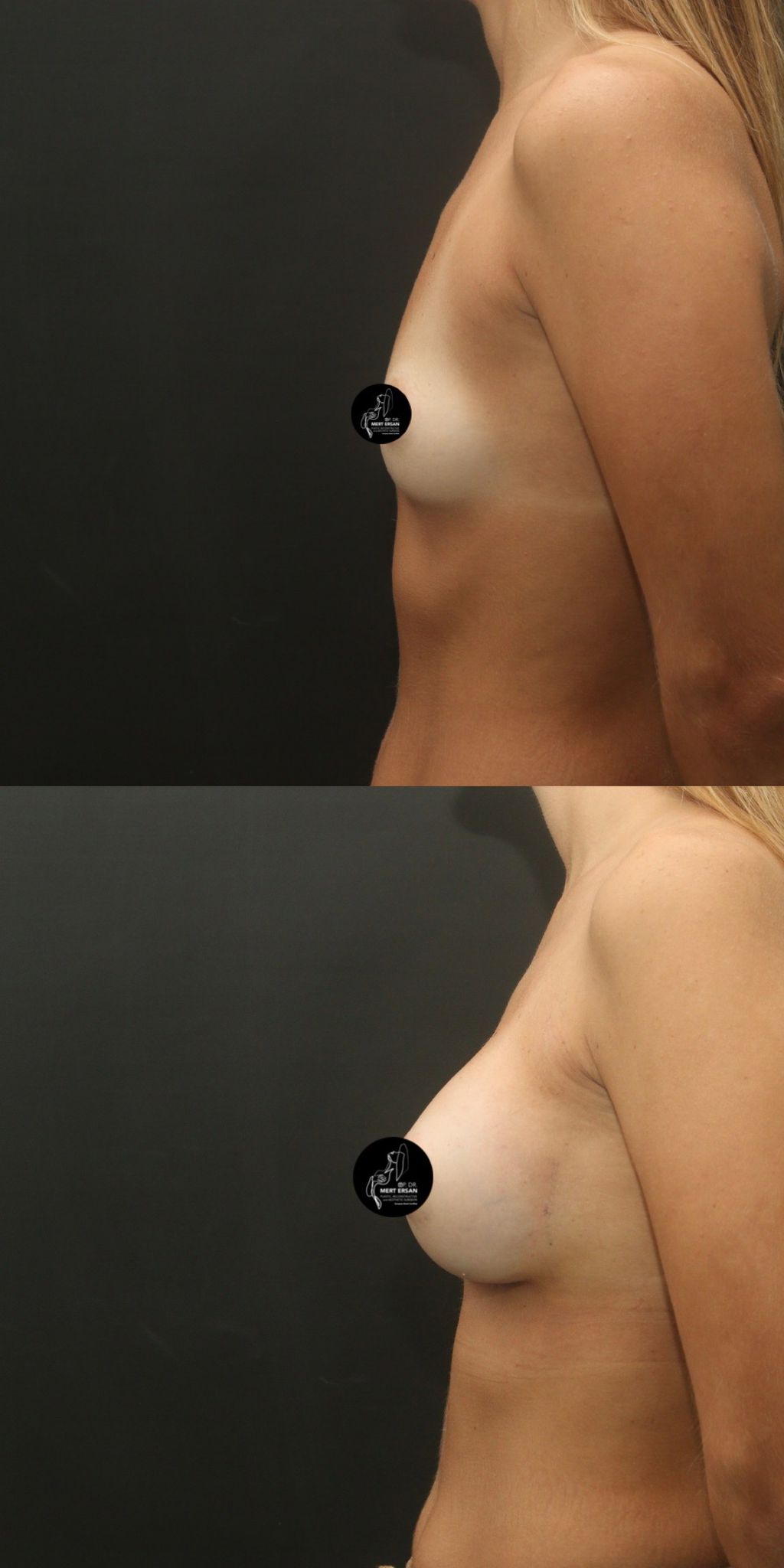
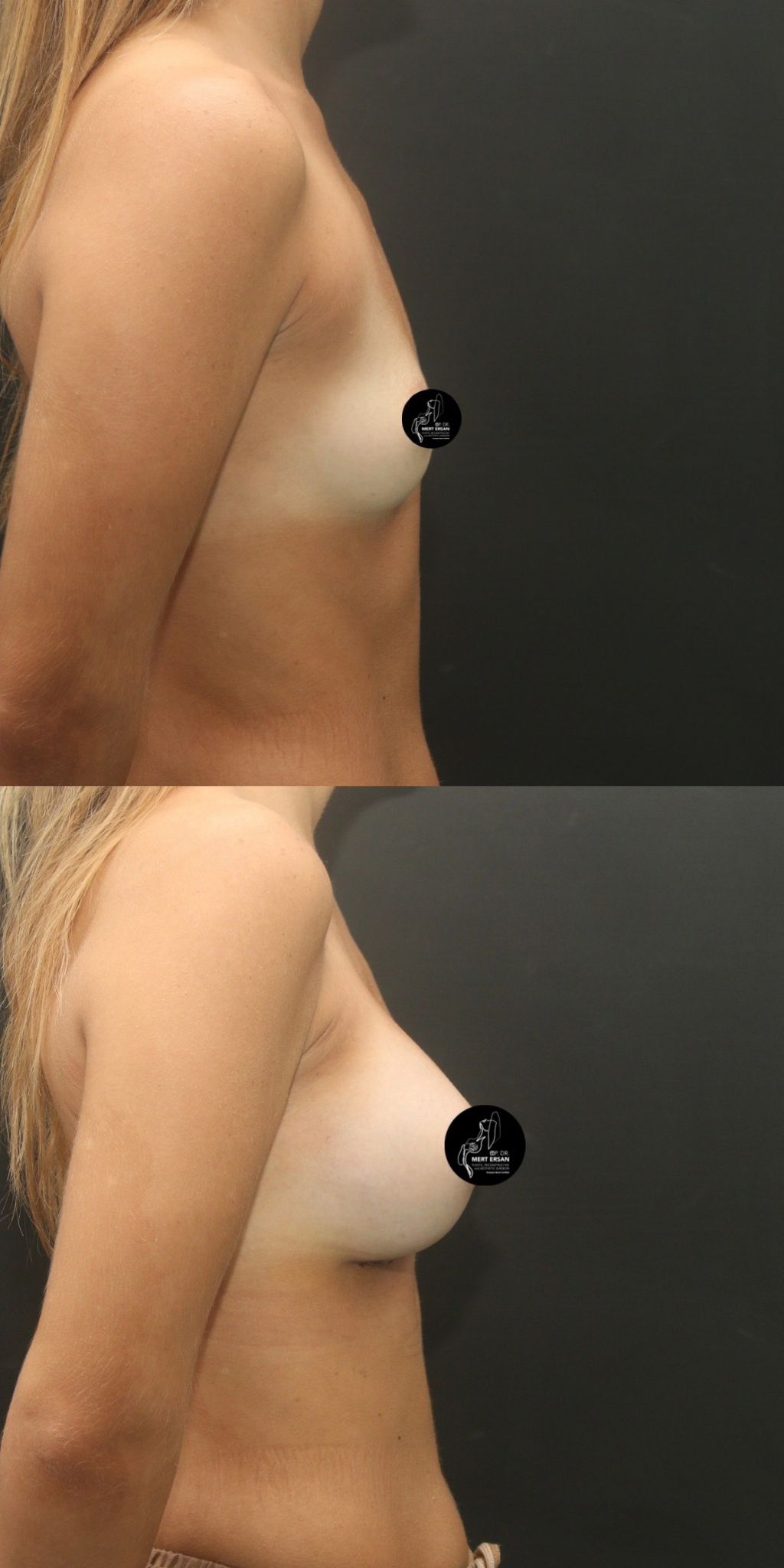
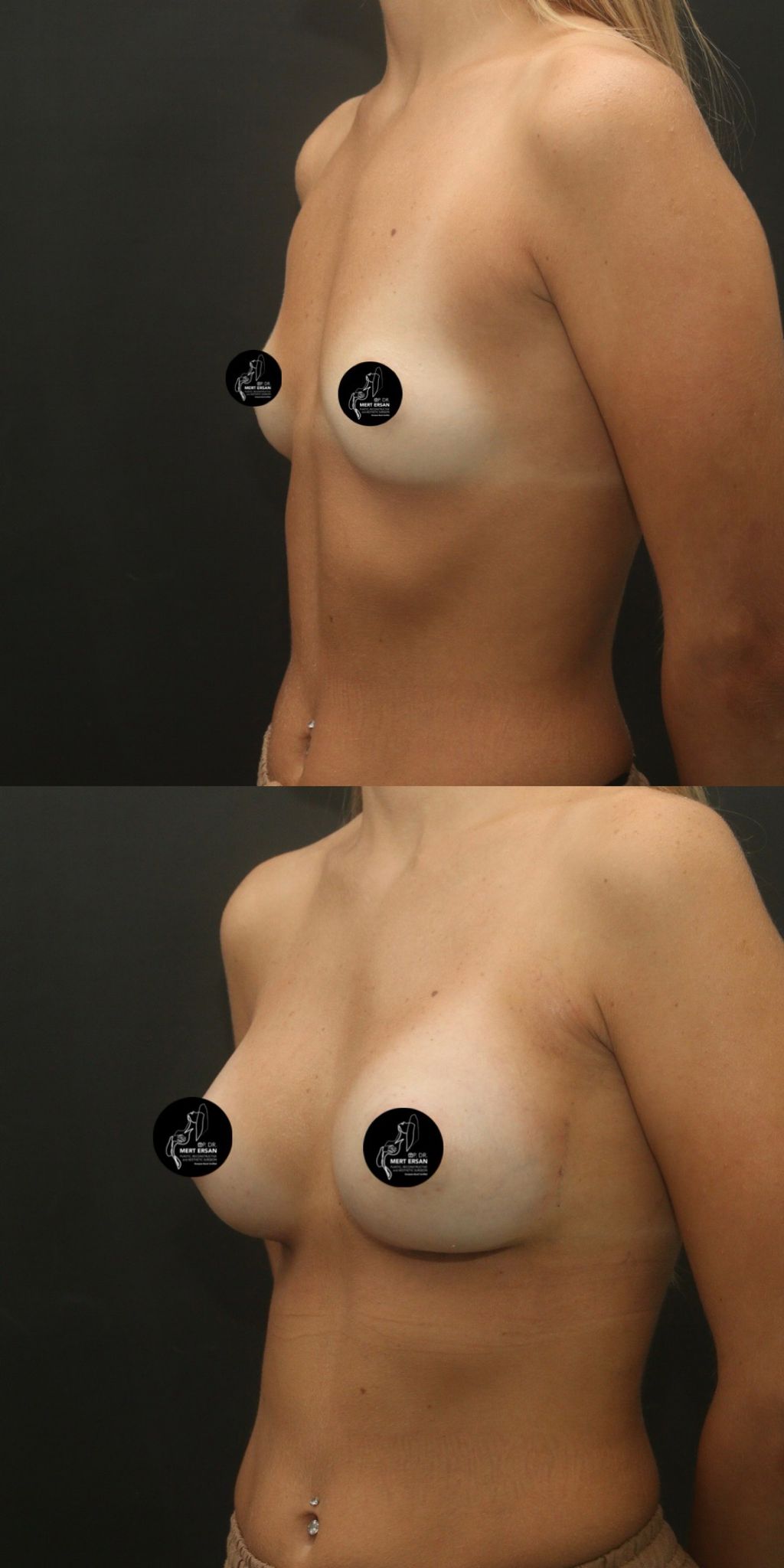
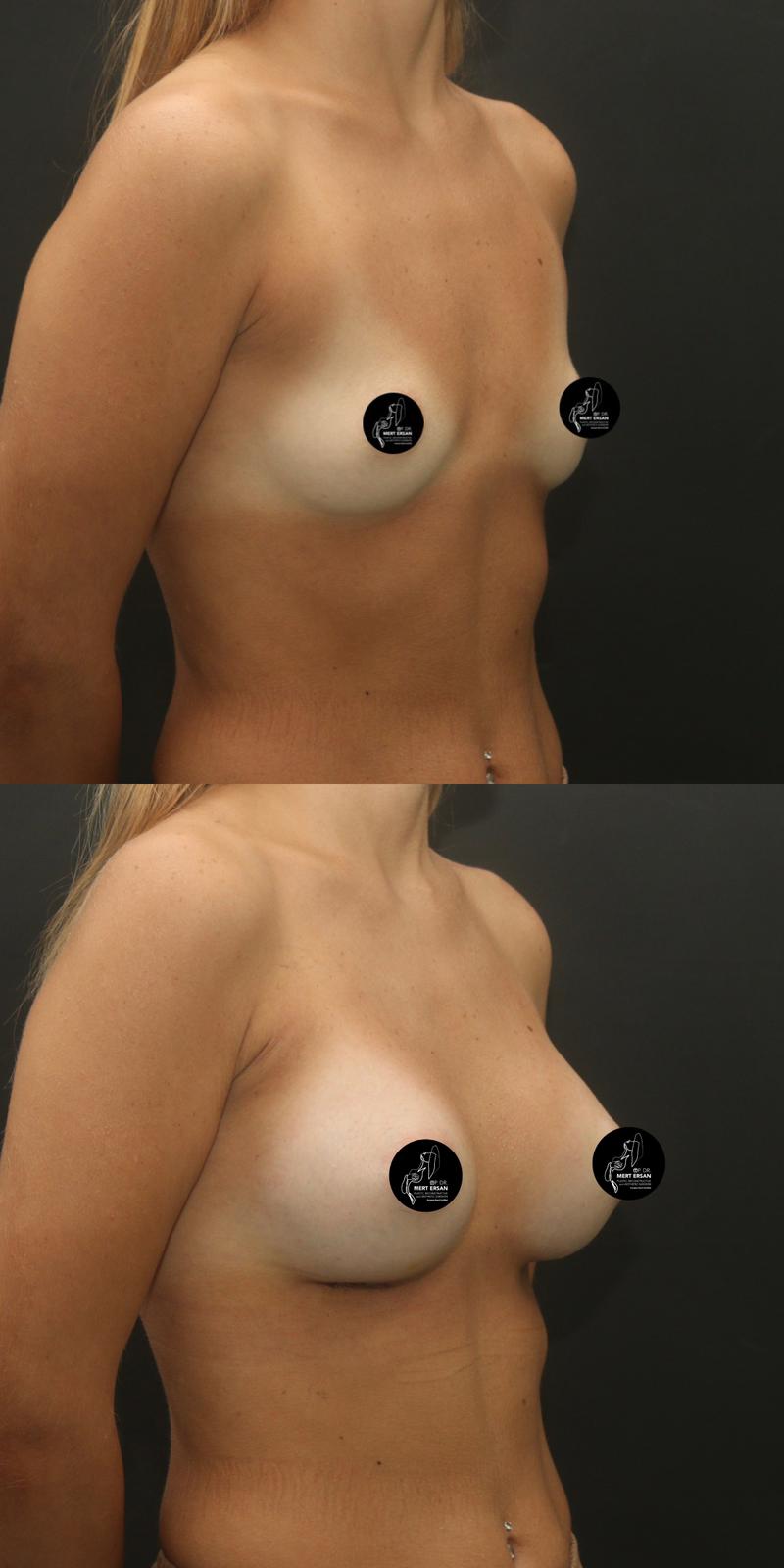
However, in patients with decreased skin elasticity and significant breast ptosis—particularly when the nipple lies below the inframammary fold—implant placement alone is usually insufficient. In such cases, a breast lift (mastopexy) procedure may also be required.
Can Silicone Implants Rupture? Are They Safe? Can They Last a Lifetime?
Modern silicone implants are well-studied medical devices that have been safely used worldwide for many years. High-quality implants generally do not rupture or leak unless exposed to significant penetrating trauma.
Although implants do not have a strict expiration date, manufacturers recommend long-term follow-up evaluations. In the absence of complications, implants may remain safely in place for many years.
Do Silicone Implants Increase the Risk of Breast Cancer?
Current scientific evidence does not demonstrate an increased risk of breast cancer associated with silicone implants. However, as with all patients, regular follow-up examinations and imaging studies remain extremely important.
Breast Implant-Associated Anaplastic Large Cell Lymphoma (BIA-ALCL), which has gained attention in recent years, is a very rare condition associated with certain types of implants.
Can Breastfeeding Problems Occur After Preservation Breast Augmentation?
Since preservation breast augmentation aims to preserve the breast tissue and natural anatomical structures as much as possible, it does not theoretically create an additional disadvantage regarding breastfeeding. Therefore, the risk of breastfeeding difficulties is considered to be quite low.
What Is Capsular Contracture?
The body naturally forms a capsule around a silicone implant as part of the normal healing process. In rare cases, this capsule may become thickened and contract around the implant. This condition is known as capsular contracture.
Although some studies suggest that the risk of capsular contracture may be slightly higher in above-the-muscle implant placement, meticulous sterile technique, appropriate implant selection, and tissue-respecting surgical approaches are important factors in minimizing this risk.
Will Both Breasts Be 100% Symmetrical After Surgery?
No. The human body is naturally asymmetrical. Breast shape, chest wall anatomy, and nipple position may already differ before surgery.
During surgery, these asymmetries are corrected as much as possible. However, the goal is not mathematical perfection, but rather a natural, balanced, and aesthetically pleasing appearance.


